If dressing a shorter frame feels like guesswork, these petite style tips are for you. Balance your proportions, define your waist and get the fit right, and most outfits fall into place.
| Item | Value |
|---|---|
| Petite height (Love, Bonito guide) | 5’4″ (162cm) and under |
| Petite height (Karen Kane blog) | Below 5′ 5″ |
| Rule of thirds: split between two garments | ⅔ for one, ⅓ for the other |
| Midi dress hem (Love, Bonito guide) | Below the knee or at the narrower part of the calf |
| Shoulder seam position | Exactly where your shoulder ends |
These figures come from the Love, Bonito petite style guide and the Karen Kane petite style blog. Brands define petite sizing differently and advice changes, so check the source before you rely on them.
What petite means in fashion
In fashion, petite is a sizing category defined by height. The Love, Bonito guide says it simply refers to women who are 5’4″ (162cm) and under. The Karen Kane blog draws the line a little higher, at below 5′ 5″.
That makes petite sizing a matter of shorter proportions rather than a smaller body overall. According to the Love, Bonito guide, petite clothing is designed with these adjustments in mind:
- Adjusted sleeve lengths
- Higher waist placements
- Narrower shoulders
- Shorter inseams
Height is the defining factor, but the same guide says petite women come in all shapes and sizes. It also states that petite does not mean slim, so the ideas below apply whether you are curvy, athletic, pear-shaped or petite with a fuller bust.
If there is no petite range near you, the Karen Kane blog points out that there are ways to work with what you already own. The answer is purposeful styling: choosing where hems, waistlines and layers land.
For the bigger picture of this category, browse our guide to petite fashion. When you are ready to build a closet, start with our list of petite wardrobe basics.
Start with proportion, not height
The idea that comes up again and again in stylist advice is proportion. The Love, Bonito guide puts it simply: instead of focusing on looking taller, create harmony between the clothes and body. When an outfit’s proportions work well, it says, everything looks put together and thoughtful.
SheerLuxe’s style director Emma frames it as balance rather than avoidance. In her words on the SheerLuxe petite dressing feature, it is less about avoiding certain pieces and more about how you balance them. If she wears an oversized knit or jacket, she thinks about what to pair it with so the look stays considered.
The rule of thirds
The Karen Kane blog recommends the rule of thirds. If one garment takes up ⅔ of your body from torso to feet, the other paired garment should only take up ⅓, as the blog explains.
The goal is to avoid even halves, which the blog says create a blocky and stunted appearance. A quick mirror check helps: look at where your outfit splits into two parts, and if the split lands near the middle, move a hem, a belt or a waistband until it does not.
Try it on and check the balance
A stylist quoted by Marie Claire UK, Shelly Vella, says it is always best to try things on. Make sure your top half balances the bottom half, whatever your shape. She adds that cinching with a belt will even you out.
If you are slender, she says a looser top still works. Try to “bag” it a little to disrupt the sense of a column.
Run through this short check before you leave the house:
- Find the point where your outfit splits into two parts, and avoid an even split.
- Check that the shoulder seam sits where your shoulder ends.
- Look at the hem in the mirror and confirm the top half balances the bottom half.
- Add one waist detail, such as a belt or a tucked-in top.
Our guide to petite outfit proportions goes deeper on putting these checks into practice. If height tricks are what you are after, we collect them in how to look taller in clothes.
Tops, necklines and layers
Poor fit shows first at the top of an outfit, so start with the shoulders. The Love, Bonito guide says your shoulder seam should sit exactly where your shoulder ends. Drooping seams, it warns, can make an outfit feel oversized and unintentionally bulky.
The same guide advises keeping collars and details in scale. Oversized collars, exaggerated bows and extra-large pockets can easily overpower a petite frame. Smaller collars, delicate embellishments and refined tailoring tend to give a more balanced look.
Necklines that lead the eye
Necklines decide where the eye travels first. Love, Bonito notes that on a wrap dress the V-neckline draws the eye vertically, which creates the illusion of length, while the adjustable waist creates shape.
That is one reason shapes with a vertical opening keep appearing in petite advice. Our guide to the best necklines for petite women compares the options one by one.
Volume, oversized pieces and layers
Volume is not off limits, but it needs a counterweight. The Love, Bonito guide says that if you wear volume on top, pair it with more streamlined bottoms to avoid getting lost in the fabric. It also calls billowy sleeves and oversized silhouettes fashion-forward, as long as balance is kept.
Emma at SheerLuxe agrees that being petite does not mean everything needs to be fitted. She loves an oversized blazer, leather bomber or chunky knit, and says the trick is finding pieces that feel intentionally relaxed, rather than simply too big. We explain how to get that look in how to wear oversized clothes petite.
Layering adds interest without adding bulk. One of Emma’s favourite tricks is a longer white t-shirt peeking out underneath a grey sweatshirt or knit, which gives an outfit a slightly undone feel without doing too much.
Bottoms and dresses: waists, hems and leg lines
High-waisted styles are the most repeated piece of advice for petite bottoms. Love, Bonito says high-waisted trousers and jeans help create the illusion of longer legs by visually raising your waistline. SheerLuxe’s Emma adds that they work especially well with a tucked-in top or a shorter jacket.
Fit matters more than the waistband itself. The Love, Bonito guide says waistbands can always be adjusted with a belt, but poor hip fit is much harder to disguise. Emma looks for jeans that sit well on the waist, skim the hips and have the right leg shape.
If you want a full walkthrough, see our guide on how to wear high waisted pants petite.
Trouser lengths and wide legs
Sumissura’s styling guide suggests trousers and jeans that end just above the ankle. It says this slight crop can make your legs look longer, especially with shoes in a similar tone to your skin or your pants.
Wide legs can work too. The Marie Claire UK stylist calls a wide-leg crop trouser super flattering, with a simple top and a cinched waist. Love, Bonito says fabric matters, so choose soft materials that drape rather than stiff ones that add bulk, and tailor the length so the hem skims the floor rather than dragging beneath it.
Skirt and dress hems: where do sources disagree?
Advice on hem length is not unanimous, which is exactly why trying things on matters. Here is how the sources compare:
- The Marie Claire UK stylist says a petite woman generally opts for a length that hits just below the knee as opposed to mid calf.
- Sumissura says one of the most flattering lengths for petite frames is just above the knee.
- Love, Bonito says midi dresses can be flattering if they hit below the knee or at the narrower part of the calf.
Sumissura also cautions that midi lengths can sometimes make your legs appear shorter, and suggests pairing them with heels if you love the style. Our guide on how to wear midi skirts petite helps you decide which side of that debate suits you.
Shapes that balance a frame
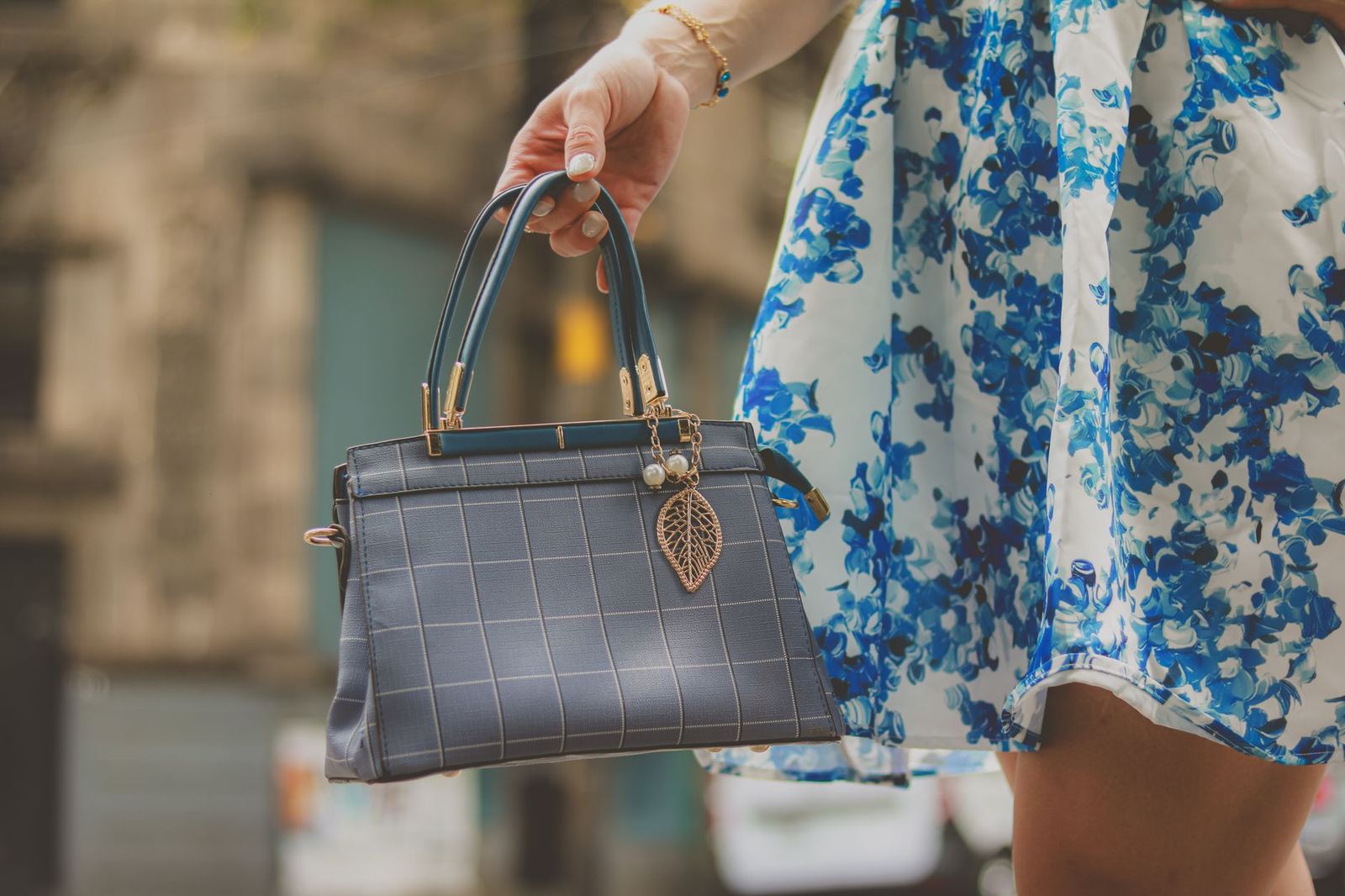
An A-line skirt is worth keeping. The Marie Claire UK stylist says a fitted top or empire line that emphasises the waist works well with an a line skirt, especially if you are curvier or bustier. Love, Bonito adds that A-line dresses, fitted at the waist and gently flaring out, create balance without overwhelming smaller frames.
Long dresses need a little care. The stylist says long, overtly shapeless dresses will make you look shorter, but a maxi dress that fits neatly up top and falls away into a long skirt can be super flattering. She recommends a petite fit so the body of the dress falls to the waist and not below.
Love, Bonito also points to vertical details such as button fronts, seams, pleats and front slits, which draw the eye up and down. For skirts it says to think vertical rather than horizontal, and that narrow waistbands work well for shorter torsos.
Colour, pattern and fabric
Dressing in one colour is a simple way to keep the eye moving. Sumissura calls head-to-toe single-colour dressing an incredibly effective strategy for elongating your silhouette, and Love, Bonito says it creates an uninterrupted visual line. Our guide to monochrome outfits to look taller shows how to build these looks.
Monochrome does not have to be flat. Sumissura suggests different tones of the same colour, and says incorporating different textures within the same colour scheme can add depth and interest without breaking the vertical line. If a single colour feels too bold, it recommends starting with neutral tones such as black, navy or beige.
Stripes and vertical lines
Sumissura says vertical lines work wonders in creating the illusion of height, from striped shirts and pinstripe suits to dresses with vertical detailing. The Marie Claire UK stylist goes further and says stripes lengthen your legs, so a pinstripe trouser will work.
She also likes doubling up on stripes, such as the iconic Breton top, which in its classic version is fitted at the waist, with a wide-leg crop pinstripe pant. Sumissura adds a caution: opt for thinner stripes, because wide stripes can sometimes have the opposite effect and make the area they cover appear broader.
Print scale
With patterns, scale is the deciding factor. Sumissura says large prints can overwhelm a smaller frame and suggests smaller prints like micro-florals, polka dots or geometric patterns. When you want a bolder print, it recommends balancing it with solid colours elsewhere in the outfit to avoid a cluttered look.
Love, Bonito offers a useful exception: even statement prints can work beautifully on petites when they are crafted in softer fabrics that drape naturally. We go through the options in our guide to the best patterns for petite frames.
Fabrics that move
Fabric can change how a garment looks on a petite frame. Love, Bonito says heavy, stiff materials often add unnecessary bulk, while softer fabrics create movement and flow without overwhelming your proportions.
Its suggested fabrics to look for are:
- Lightweight cotton
- Linen blends
- Soft crepe
- Viscose
- Fluid satins
- Lightweight knits
Shoes, jackets, accessories and tailoring
Shoes change the proportions of an outfit more than most people expect. Emma at SheerLuxe likes a pointed-toe style for a more streamlined finish, but says a chunky loafer, trainer or round-toe flat can look just as good. Her point is that you should not automatically reach for a heel to try to add height.
Sumissura offers a colour tip: shoes that blend with the colour of your skin or your pants create a seamless line, making your legs appear longer. It singles out nude-coloured shoes with skirts or shorts for extending the leg line.
Jackets and coats
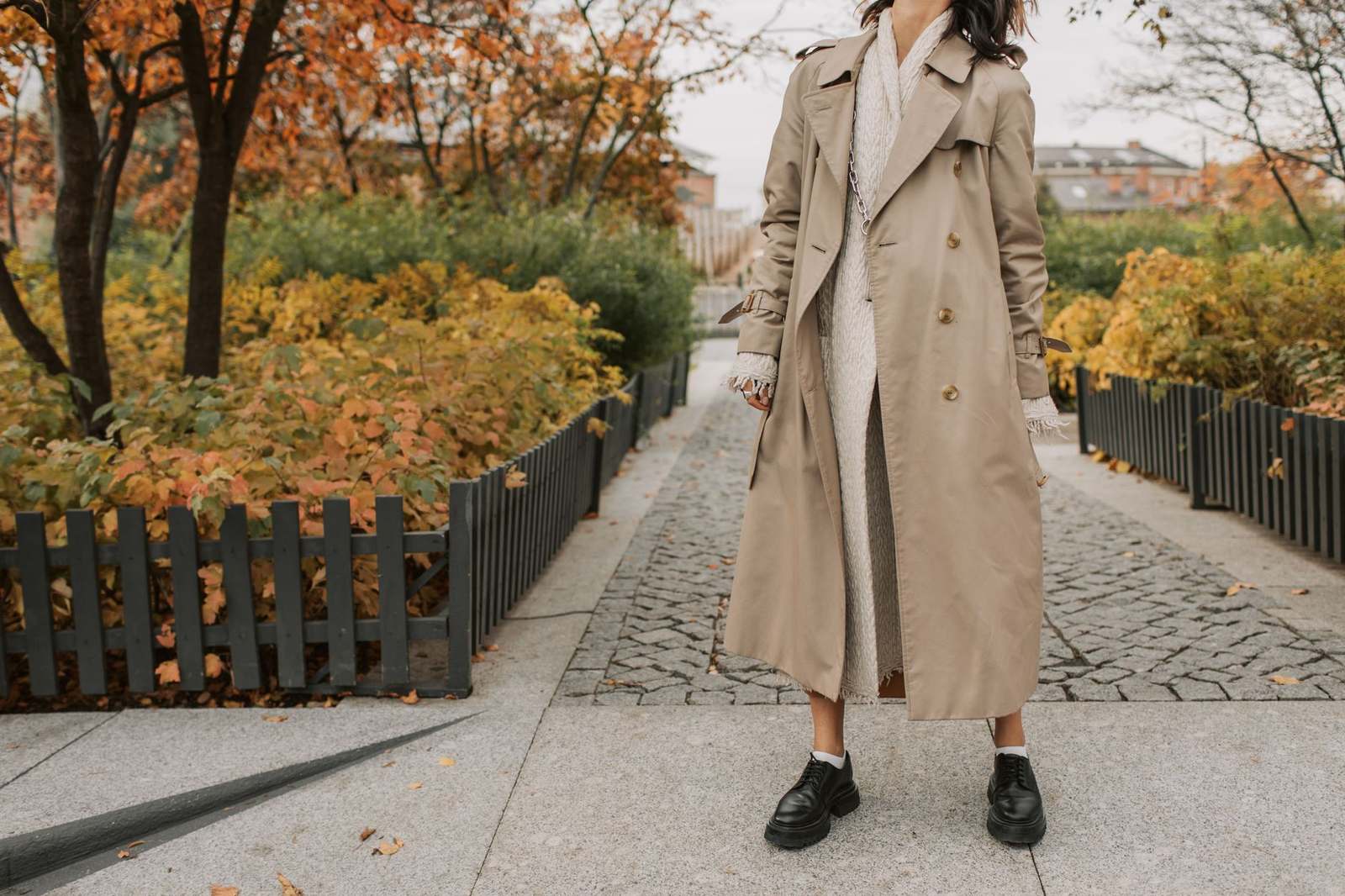
Emma says jacket length can make or break an outfit. Cropped jackets work brilliantly with high-waisted trousers and jeans, while longer coats can look incredibly chic, and it all comes down to where the hem falls.
Love, Bonito gives a checklist for coats:
- Single-breasted styles
- Softer fabrics
- Narrow lapels
- Minimal bulk
- Streamlined silhouettes
It adds that oversized pockets and heavy details can easily overwhelm smaller frames, and that a blazer ending at the hip with slim-cut trousers creates a sleek silhouette. The Marie Claire UK stylist warns that baggy sleeves and loose waistlines on jackets can swamp you.
Accessories: scale and focus
Sources agree that scale matters, though they differ on how bold to go. Sumissura says oversized bags, chunky jewellery or large scarves can overwhelm your silhouette, and suggests delicate jewellery and narrow belts, with any statement piece as the focal point of the outfit. For belts it recommends thinner options in a colour that blends with the outfit.
Emma takes a bolder view, saying a great belt, oversized sunglasses, chunky gold jewellery or a statement bag can make even the simplest jeans-and-knit combination feel more intentionally styled. Love, Bonito says jewellery is one of the easiest ways to draw attention upward, with delicate layered necklaces, drop earrings and refined statement pieces.
Tailoring ties it together
Every source in this guide returns to tailoring. The Marie Claire UK stylist advises sourcing a great tailor, since a perfect jacket, trousers or top may need only the tiniest tweak to fit. Sumissura says even casual t-shirts can benefit from slight adjustments.
Emma says getting trousers shortened to the right length or having a blazer sleeve taken up can make an affordable high-street find look far more expensive. She adds that it means you will wear the piece more, and that for her fit is often more important than the label.
Frequently asked questions
What is the most useful petite style tip?
Show answer
Focus on proportion rather than height. Use the rule of thirds from the Karen Kane blog, try pieces on, and check that your top half balances the bottom half.
Can I wear oversized clothes if I am petite?
Show answer
Yes. SheerLuxe’s Emma says petite does not mean everything needs to be fitted, and Love, Bonito advises pairing volume on top with more streamlined bottoms.
Do I need heels to look balanced?
Show answer
No. Emma says not to automatically reach for a heel to add height, and suggests pointed-toe styles, chunky loafers, trainers or round-toe flats. Sumissura does suggest heels if you wear a midi length and want to counteract a shortening effect.
Does petite mean slim?
Show answer
No. The Love, Bonito guide says petite does not mean slim, and that petite women come in all shapes and sizes. Height is the defining factor.