Tired of rolled sleeves and pants that pool at your ankles? Petite wardrobe basics fix that: build a small core of pieces cut for a shorter frame, then tailor the rest.
| Item | Value |
|---|---|
| Height usually treated as petite | 5’4″ and under |
| Heights and sizes petite clothing serves | 4’6″ to 5’4″, sizes 00P to 20P |
| Height regular clothing is usually designed for | 5’5″ to 5’7″ |
| Petite inseam compared with regular | 3 to 4 inches shorter |
| Petite sleeve length compared with regular | 0.5 to 2.5 inches shorter |
| Pant inseam petite women are likely to want | 25 to 30 inches |
These figures come from a petite clothing explainer and a petite size-chart guide. Sizing details can change, so check the source and the brand’s own chart before you rely on them.
What petite really means when you shop
Before you buy anything, it helps to know what the label promises. According to a petite clothing explainer from Short Story, petite refers to women 5’4″ and under, while regular-sized clothing is usually designed for women between 5’5″ and 5’7″. That gap explains the rolled sleeves and dragging hems that many shorter shoppers know well.
A size-education page from Apparel Search describes petite as usually a woman under 5 feet 4 inches (163 cm), though brands set their own boundaries. The two sources draw the line a hair differently, so treat any single number as a starting point rather than a rule.
Petite also does not mean slim. Petite Dressing says petite is really just talking about height, not weight, so you can be petite and skinny just as much as you can be petite and curvy.
You may be a good candidate for petite cuts if any of these sound familiar:
- You roll or cuff sleeves so often that it has become a habit.
- Pants hems drag or pool unless you pay to have them altered.
- Regular tops need tucking in so they do not read as tunics or dresses.
- Waistlines and armholes sit lower than the parts of your body they are meant to match.
The idea behind separate sizing is not new. Petite Dressing reports, citing the New York Times, that petite fashion first appeared in the late 1940s in the US, when Hannah Troy noticed that regular clothing’s waist was too long for shorter women.
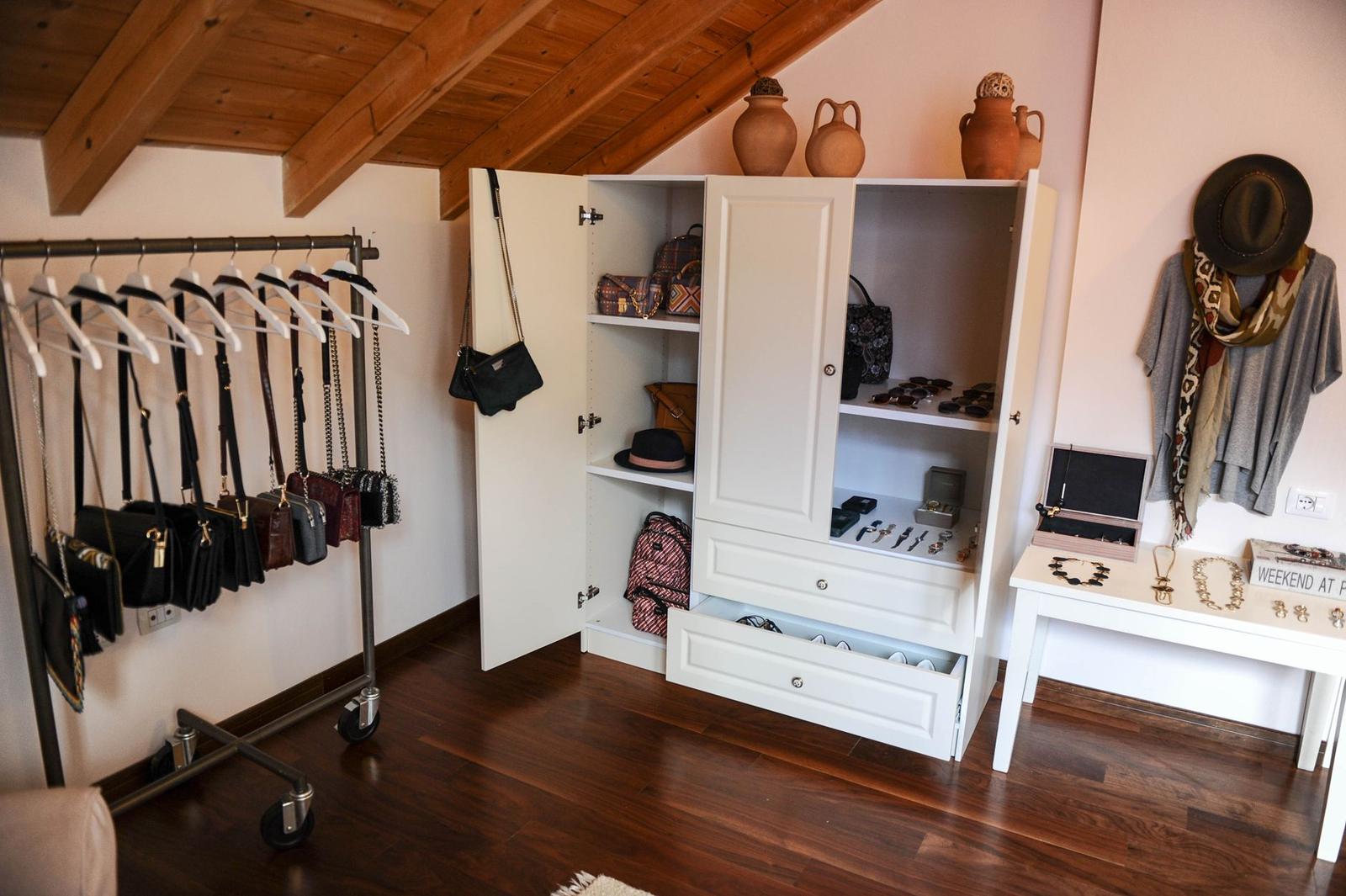
If you want the wider picture beyond the closet itself, the guide to petite fashion is a good place to keep reading.
How petite clothing is cut differently
The biggest misconception is that petite means a regular garment with the hem taken up. Apparel Search is blunt about it: taking up a hem makes a regular garment shorter, but it does not make it petite.
In a regular size, the waist seam, knee break, elbow point and pocket placement are all positioned for a taller frame. A shortened regular garment can therefore still fit poorly through the torso even when its length is right, while petite patterns re-draft those positions proportionally, according to the same page.
Where the differences show up
The explainer from Short Story lists several specific changes. Here is how they translate to what you will notice on the rack:
- Short Story says hemlines on tops are raised to hit just at or above the hips, which means fewer French tucks, and the base of the armholes is raised on tops and blouses.
- Petite inseams run 3 to 4 inches shorter than regular sizing depending on the style, and the rise is cut shorter too, as Short Story explains.
- Since petite bodies are shorter, the waistline of a garment will usually be raised to land at your waist, per Short Story.
- Petite sleeve lengths run 0.5 to 2.5 inches shorter than regular sizing, sometimes a little less or more depending on the item, according to Short Story.
- Details such as bust darts, knee distressing and elbow patches are repositioned, and some brands scale down a larger print so it does not overwhelm a petite frame, Short Story notes.
Jackets show the difference quickly. Short Story describes true petite blazers and jackets as having a fitted body, shrunken shoulders that fit petite frames, and a sleeve that hits at or a little lower than the wrist.
Sleeve styles follow the same logic. The same explainer says that if 3/4 sleeve styles are your favorite, petite-specific tops will hit exactly at those points, whereas regular tops will be longer and less flattering.
The logic runs in reverse as well. Apparel Search notes that a taller shopper in a petite cut will find sleeves, rises and waistlines sitting noticeably high, however correct the bust or waist number looks on a chart.
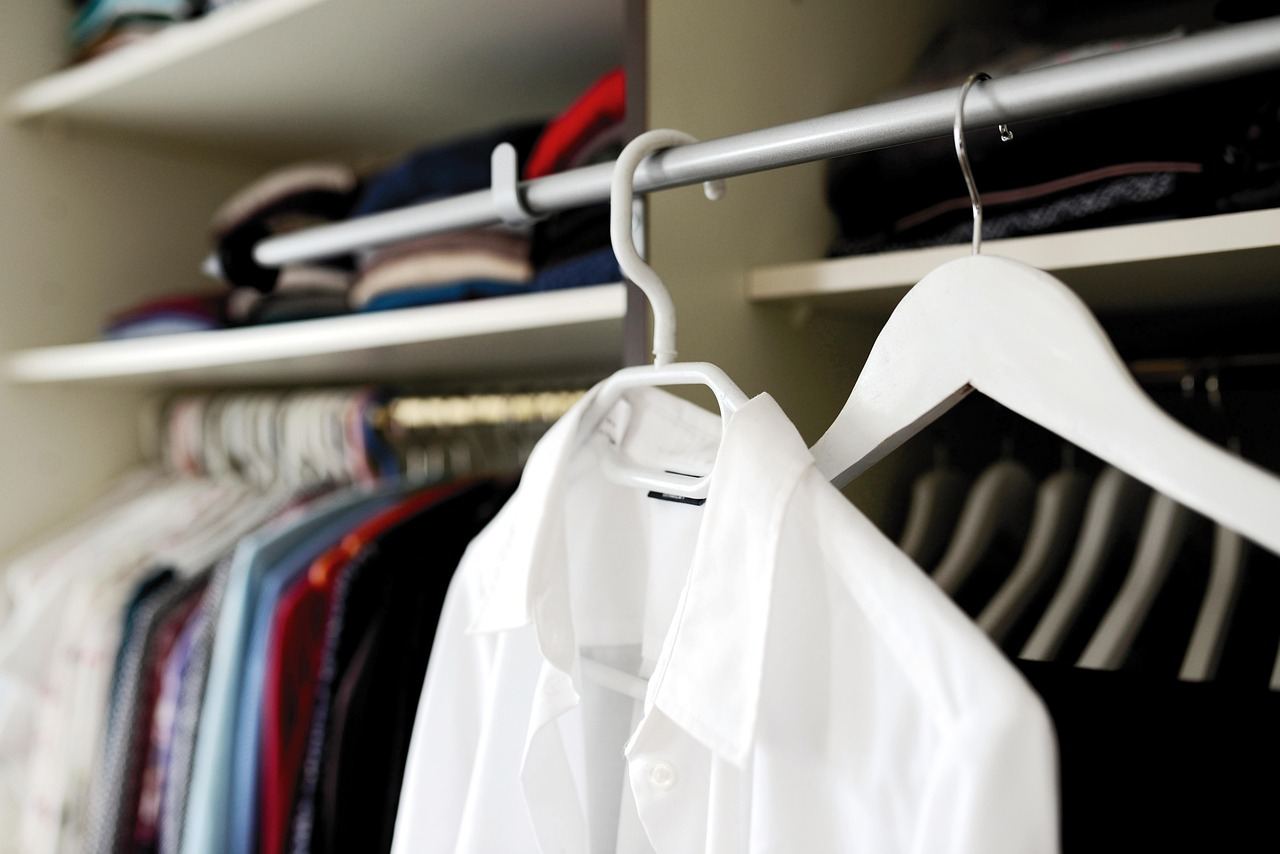
Do you need to buy everything petite?
Height is the first filter, not the final answer. Short Story says some women who are 5’5″ or taller still fit petite sizes better in tops or pants if they have a shorter torso, shorter arms, or shorter legs, because petite fit is about proportions as much as height.
Petite Dressing goes a step further: someone could be petite for the bottom half of her body but not the top half, or vice versa. It also notes that a girl under 5’2″ may have wide shoulders, long arms and a long torso, which can make a jacket from the regular department more comfortable.
In practice, mixing sizes is normal rather than a failure. The same site advises that if you are around 5’3″, it is worth trying both petite and regular sizes and comparing the fit.
A simple test keeps the guessing out of it. Try the petite and regular versions of the same style, then work through this list:
- Check where the sleeve ends in relation to your wrist.
- Check whether the shoulder seam sits on your shoulder.
- Check where the waistline or rise lands against your own waist.
- Sit, reach and walk to see whether the garment still behaves.
- Note which version wins for tops, jackets and bottoms separately, and shop that way from now on.
Petite wardrobe basics: building the core closet
A core closet is the small group of pieces that carry most of your outfits. Start with the garments where proportion matters most, which are tops, jackets and trousers, then add the rest around them. If you want an even tighter edit, the petite capsule wardrobe guide takes that smaller approach.
Buy in order of how much a poor fit bothers you, because proportion affects each garment differently. This simple sequence keeps the core small and the returns low:
- Fix the pieces you wear most often, usually everyday tops and trousers.
- Add a structured layer, such as a jacket or blazer, where the shoulder fit can be judged properly.
- Choose shoes and outer layers around the hem lengths you have already settled.
- Fill the gaps for work or occasions last, once you know which brands and cuts suit your proportions.
Tops
Tops are the easiest place to feel the difference. Short Story says petite tops have raised hemlines that hit just at or above the hips and raised armholes that get the fit around the bicep and shoulder right. The guide to basic tops for petite women goes into the shapes worth owning.
The practical payoff is less fiddling. Short Story describes constantly rolling up sleeves and tucking in regular tops so they do not look like tunics or dresses, and adds that you can only cuff your tops for so long before craving a better fit. A top that starts at the right length and sleeve removes those daily workarounds, so check the hem and the sleeve end first when you try one on.
Blazers and jackets
A good jacket sharpens everything under it, which is why the shoulder matters so much. One leather-jacket fitting guide calls shoulder alignment the “unalterable” measurement and advises that if you are consistently between sizes, you focus on the shoulder fit first. The roundup of the best blazers for petite women applies those fit rules to specific picks.
Leather is the strictest test of proportion. The same guide says standard sleeves are designed for arm lengths of 63-66cm, while a petite frame measures 58-62cm, so leather can bunch at the wrist or cover the hand. It also suggests looking for cropped silhouettes, and says the hem of a classic biker or racer shape should sit roughly 5-8cm below the waistline, per that guide.
Style choice matters as much as size. The same guide says short-bodied styles such as biker and cafe racer jackets are generally the most flattering, because their proportions line up better with shorter torso lengths than long trench styles do. If a longer coat is what you want, try it on with the shoes you wear most before you decide.
Trousers and jeans
Bottoms are where many petite shoppers lose the most time, since trousers are the pieces you trip over first. In a petite cut, Short Story says the inseam, the rise and the waistline are all adjusted, so the waistband lands at your waist instead of below it.
Petite Dressing says you are likely to want pants with an inseam between 25 to 30 inches. It also warns that a petite size chart normally does not specify inseam, because lengths vary by style, so look for the garment’s own measurement before you order.
Style changes the right length, too. Petite Dressing notes that cropped pants are supposed to be shorter than full-length pants, while certain styles, such as sailor pants, are designed to be longer than regular pants. The best hem length therefore depends on both the cut and the shoes you plan to wear.
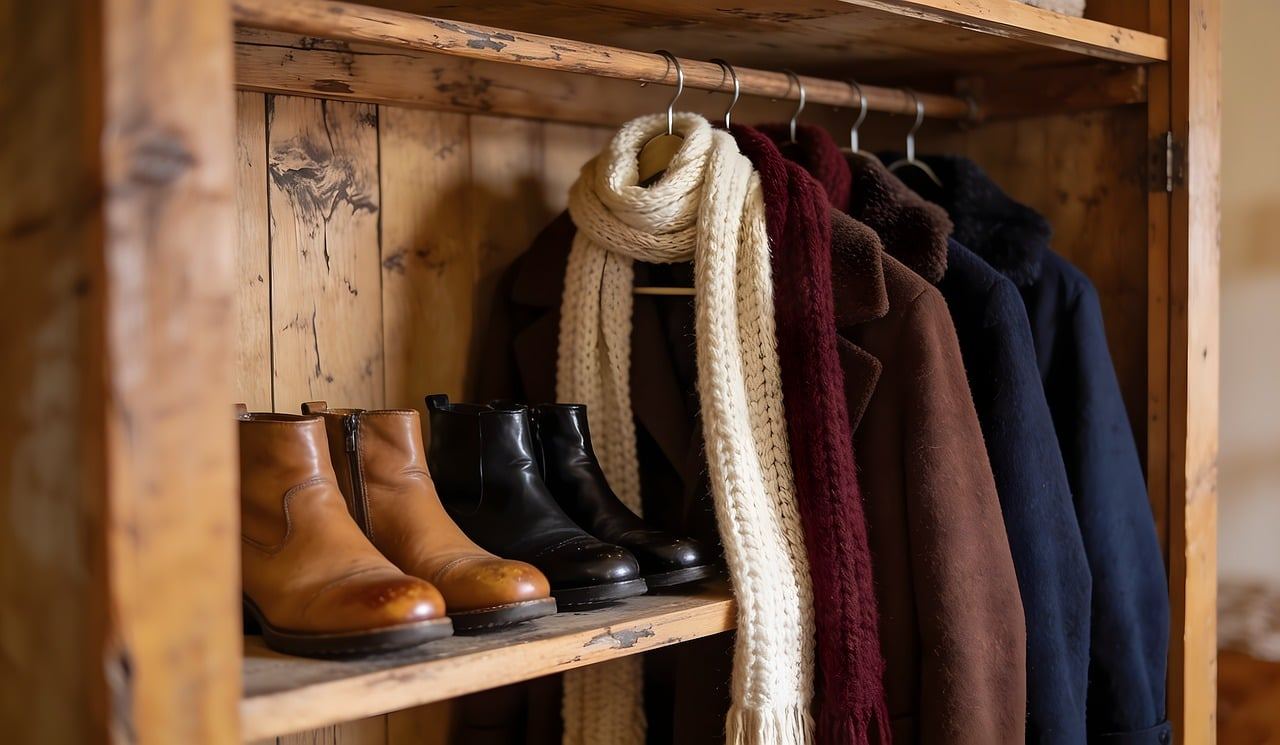
Layers
Layering is how a small closet stretches across weather and occasions. The leather-jacket guide notes that chest and waist dimensions can often be accommodated through layering, which is a reminder to fit the shoulders first and let sweaters handle the rest, as it explains. The petite layering basics guide shows how to stack pieces without swamping a shorter frame.
Colour, lines and shoes
A tight palette keeps a small wardrobe mixable, and the petite neutral color palette guide is the place to choose yours. Pick the shades first and the buying gets much easier.
Petite Dressing adds that vertical details such as vertical stitching and vertical patterns can help create vertical lines in the body and make you look taller and more proportionate than you actually are. Keep that in mind when you compare two similar pieces.
Shoes finish the line that trousers start, so settle your hem length with your most-worn pair on. Read the guide on shoes that make legs look longer petite for options that extend the line of your legs.
Work pieces
For the office, the guide to petite work wardrobe essentials narrows the core to professional pieces. It builds on the same fit principles you have just read.
Petite Dressing observes that many petite women complain of not being taken seriously at work because of their height, and suggests adding presence through styling. The same page argues against shopping the juniors’ department, because those designs are catered for teenagers and are not meant to be worn by professional adult women.
Fit and polish go together at work. Short Story lists a fitted body, shrunken shoulders and a sleeve that hits at or a little lower than the wrist as the marks of a true petite blazer, so judge any office jacket by those three details before you judge the fabric or the price.
Before moving on, run your current closet through a quick check. Each question comes from a fit principle covered above:
- Do the sleeves of your tops and jackets end near the wrist without cuffing?
- Do top hemlines land at or above your hips, or do they need tucking?
- Do trousers reach the length you want in the shoes you wear most?
- Do waistlines and rises sit at your own waist?
- Do shoulder seams sit on your shoulders?
Anything that fails more than one of these questions is a candidate for replacement with a petite cut. A single failure is often a job for the tailor.
What to tailor and what to buy right
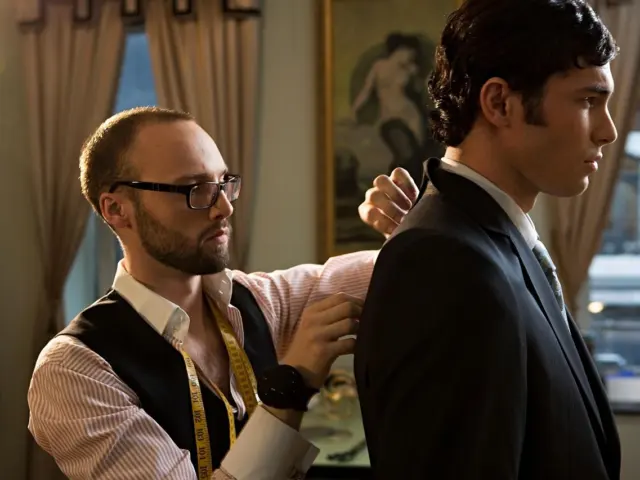
Buy for the parts of a garment that are hard to change, then alter the rest. The guide on what to tailor in petite clothing covers the common alterations in more detail.
Tailoring has limits, and the sources are clear about them. A specialist leather tailor can shorten sleeves by relocating the cuff and hardware, but the fitting guide adds that it is a technical process, so prioritize brands that provide precise sleeve measurements.
Alteration also cannot always replace proportion. Apparel Search points out that a shortened regular garment can still fit poorly through the torso, which is the main reason to start with a petite cut where one exists.
Ask yourself these questions before you pay for an alteration:
- Is the problem only length, or is it where the waist, knee or elbow sits?
- Does the shoulder seam land on your shoulder without any changes?
- Would the petite version of the same style solve it without a tailor?
- Does hardware or a design detail need to be relocated, as with leather cuffs?
How to read a petite size chart
Apparel Search notes that clothing sizing has no exact standard, and that size charts are guidelines rather than guarantees. It recommends treating general charts as a first filter, then trusting the chart published by the brand you are buying, measured against your own body numbers: height first, then bust, waist and hip.
A chart that lists only bust, waist and hip tells you very little about length. Petite Dressing says most size charts only give those three measurements, so sleeve length, inseam and vertical torso measurements such as back length and bust-waist length may still run too long for a petite frame.
When a brand sells both versions of a style, compare the charts side by side. Apparel Search says this shows exactly where that label makes its petite adjustments, which is some of the most practical education a shopper can get.
- Measure yourself, ideally with a tailor or with a friend or family member helping, as Petite Dressing suggests.
- Open the brand’s own chart rather than a general one.
- Compare regular and petite charts for the same style.
- Look for garment measurements for inseam, sleeve and torso length.
- Keep notes on which brands fit you, so the next purchase is faster.
Once the basics are in place, the collection of petite style tips is a good next stop for refining how you wear them.
Frequently asked questions
What height is considered petite?
Show answer
Short Story says petite refers to women 5’4″ and under, and its explainer adds that petite clothing serves heights from 4’6″ to 5’4″, in sizes 00P to 20P. Brands set their own boundaries, so check the label.
Is 5’5″ petite?
Show answer
At 5’5″ you are just above the usual cutoff, but Short Story says some women of that height or taller still fit petite tops or pants better if they have a shorter torso, arms or legs. Try both versions and compare.
Is petite just regular clothing made shorter?
Show answer
No. Apparel Search says taking up a hem makes a regular garment shorter without making it petite, because petite patterns re-draft the waist seam, knee break, elbow point and pocket placement.
Can I mix petite and regular sizes?
Show answer
Yes. Petite Dressing says someone could be petite for the bottom half of her body but not the top half, or vice versa, so many people buy trousers and jackets in different size categories.