Standing in a fitting room with trousers pooling at your ankles? What to tailor in petite clothing starts with hems, sleeves and waists, then jackets and rise.
This guide is part of the wider petite wardrobe basics series on building clothes that fit a smaller frame.
| Item | Value |
|---|---|
| Alterations one stylist recommends most often (October 10, 2023 post) | 3: taking in the waist, shortening pants, shortening sleeves |
| Hem change in one petite shirt-dress example | 3 inches off the bottom |
| Sleeve change in the same example | 2 inches requested, plus an extra half an inch off each sleeve |
| Cost of that alteration | £18, about a third of the dress’s original price |
| Turnaround in that example | 3 days |
These figures come from the Refinery29 petite alterations guide (last updated 29 April 2021) and a stylist’s October 2023 post. Prices and results vary by tailor and garment, so check the sources before you rely on them.
Start with hems on pants, skirts and dresses
A hem is the simplest place to begin. One style blog calls hems on skirts, dresses and pants probably the most altered element of a garment, and it also notes that length is one of the most common fit issues.
Pants are often the easiest win. A stylist explains that certain brands find it easier to produce pants at one longer length, so a pair can fit everywhere except the ankle. One Refinery29 writer bought straight-leg jeans with a 31-inch leg and was practically tripping over the trouser legs.
For skirts and dresses, the target changes. As of The Curvy Fashionista’s April 2025 update, the advice is that a midi hitting at the mid-calf can overwhelm a petite frame, while a hem above the knee or just below it looks more balanced.
Here are the hem targets the sources give:
- Pants: a tapered leg that ends just above the shoe, with no excess fabric bunching up, according to The Curvy Fashionista.
- Skirts and dresses: above the knee or just below it, per the same source.
- Shirt dress: in the Refinery29 example, 3 inches came off a dress that was knee-length rather than the mid-thigh length its owner expected.
Hem length also changes how footwear looks, so it helps to read about shoes that make legs look longer petite before you decide where a hem should land.
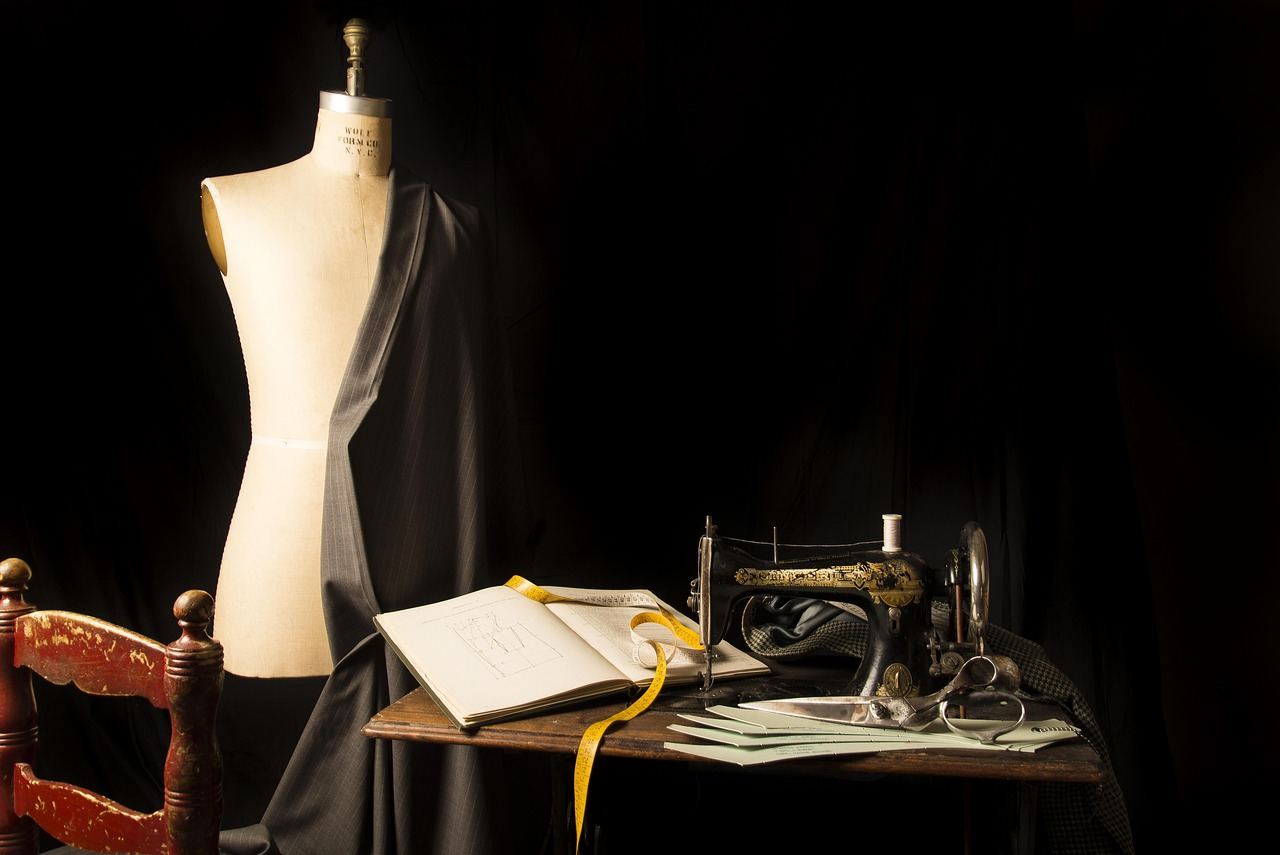
What to tailor on sleeves so petite clothes stop looking borrowed
Long sleeves make a garment look too big. A stylist writes that when sleeves are too long, it can look like you’re wearing someone else’s clothes. A style blog adds that a too long jacket sleeve in particular makes the whole jacket look too large.
For blouses, shirts and jackets, The Curvy Fashionista suggests asking the tailor to shorten sleeves so they hit just above the wrist or slightly above the elbow, depending on the style. The stylist also mentions a three-quarter sleeve as an option for a full-length sleeve, which shows a little skin and looks intentional.
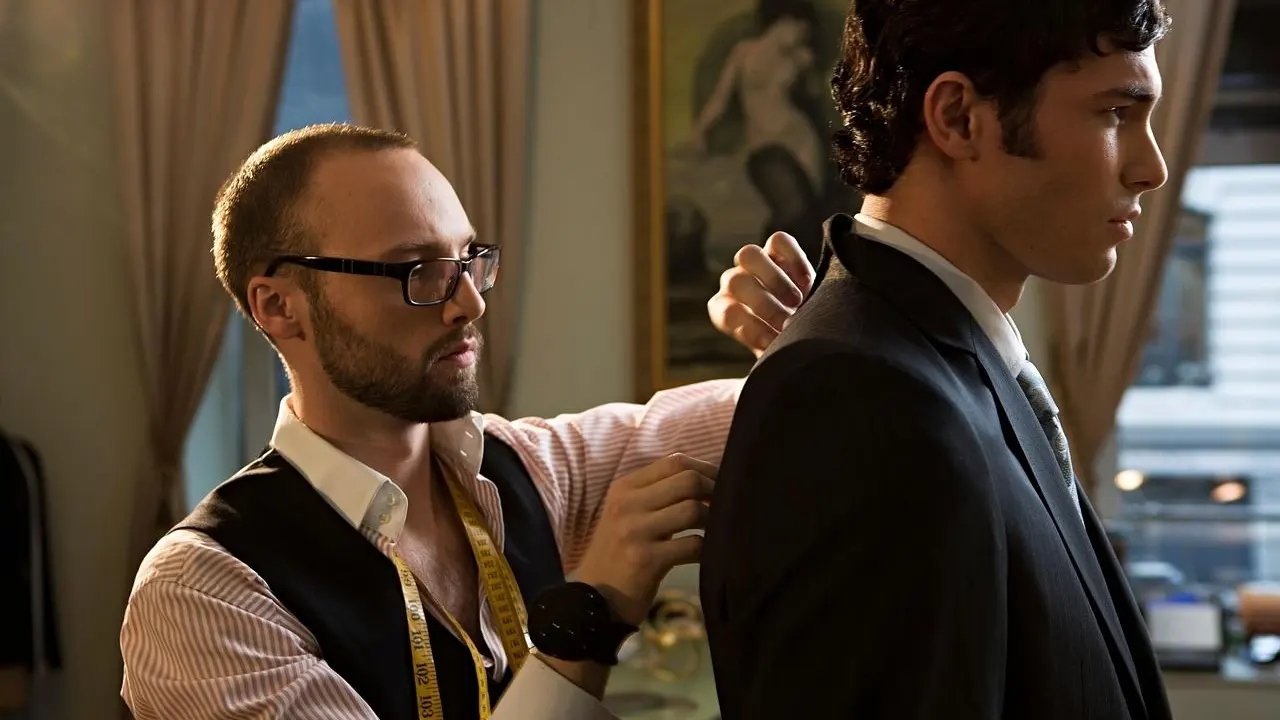
Let the tailor measure. In the Refinery29 example, the writer asked for 2 inches off the sleeves and the tailor took an extra half an inch off each one because of the position of the hem.
Not every sleeve is equally easy. The stylist says a simple sleeve construction is a more straightforward alteration, while a complicated cuff isn’t as simple, so ask before you buy.
Jackets usually sit over something, so the petite layering basics are worth reading before you mark a sleeve length.
Waists, jackets and rise: the next tier
Taking in the waist
The stylist’s rule of thumb is to fit your largest part comfortably and then tailor the rest. She reports that 9 out of 10 times, clients with pants that fit the hips but gap at the waist say yes to that description, and she says the same fix works on jeans.
The Curvy Fashionista says taking in the waistline can make a huge difference without compromising comfort. You can preview the effect with safety pins on the inside of the garment before you book anything.
Jackets and blazers
Jackets that are too long or too boxy can swallow a petite frame. The Curvy Fashionista suggests a jacket length that hits just above the hips or slightly lower, and says loose or wide shoulders can look sloppy. Ask a tailor whether shoulder work is practical for your jacket before you commit.
Pant rise
If pants sit too low, it can make your legs appear shorter. The same source says a higher rise can help elongate your legs and that adjusting the rise can stop gaping at the back.
How do you decide whether an alteration is worth it?
Treat the cost per wear as your test. In the Refinery29 guide, the writer paid £18, about a third of the dress’s original price, and had worn it so often she had more than made her money back.
Use these steps before you hand anything over:
- Pin it first. The jeans owner in the Refinery29 guide pinned them at home before visiting a tailor.
- Check how the garment is built. Simple sleeves are easier than complicated cuffs, according to the stylist’s post.
- Weigh the price of the fix against how often you will wear the piece.
- Send valued pieces to a professional. The Curvy Fashionista says very expensive or sentimental pieces are better taken to one.
Finding a tailor and holding things together meanwhile
Word of mouth is the starting point. The Refinery29 writer says finding a decent tailor can be daunting for a first-timer, and suggests asking community groups in your area for recommendations.
Good work should be hard to spot. The same guide compares it to a good haircut: the sign is being unable to tell what’s changed, because everything just looks right.
If you cannot get to a tailor yet, The Curvy Fashionista lists these stopgaps:
- A quick stitch, depending on the fabric.
- Fashion tape.
- Iron-on tape made for clothing, which it says holds longer than fashion tape.
- Safety pins on the inside of a waistband.
Treat them as temporary. The Refinery29 writer found that her hemming tape would inevitably come unstuck halfway through the day.
Frequently asked questions
Which alteration should I try first?
Show answer
Start with the hem of your pants, since the sources call hems the most commonly altered part of a garment. Shortening sleeves is the next most common request from the stylist’s October 2023 post.
Can jeans be tailored too?
Show answer
Yes. The Refinery29 writer had secondhand jeans with a long leg adjusted, and the stylist says taking in the waist works on trousers, utility pants, khakis and even jeans.
What if I cannot sew or visit a tailor yet?
Show answer
Fashion tape, iron-on tape, a quick stitch or safety pins can hold a hem or waist for now, as The Curvy Fashionista outlines. Expect them to be temporary.
Is it worth altering inexpensive high street clothes?
Show answer
It can be if you love the piece and will wear it often. The Refinery29 writer says that if you love something, it’s worth it.