Not sure whether petite sizes are meant for you? This petite clothing size guide gives the short answer: petite suits women 5’4″ (163 cm) and under, but proportions matter as much as height.
This guide sits within the wider petite fashion topic on this independent, educational site.
| Item | Value |
|---|---|
| Petite height cutoff | 163 cm (5 ft 4 in) and under |
| Heights petite clothing serves | 4’6″ to 5’4″ |
| Petite size range | 00P to 20P |
| Inseam compared with regular | 3 to 4 inches shorter than regular sizing |
| Sleeve length compared with regular | 0.5 to 2.5 inches shorter than regular sizing |
These figures come from Wikipedia’s Petite size page and a Short Story blog post. Brands set their own charts and the numbers can change, so check the source before you rely on them.
What height counts as petite?
A petite size is a standard clothing size designed for women 163 cm (5 ft 4 in) and under, according to Wikipedia. The same page says the category is not solely based on height, because it also takes into account the proportions of her body.
Retailers draw the line in almost the same place. Stitch Fix describes petite sizes as designed for women 5’4″ and under, regardless of their size.
Some brands spell out the full span. Short Story says petite clothing serves heights from 4’6″ to 5’4″, in sizes 00P to 20P.
The regular range next to it is less settled. Stitch Fix says regular sizes are designed for women 5’4″ to 5’8″, while Short Story says regular clothing is usually designed for women between 5’5″ and 5’7″. Treat the edges as a guide and read each brand’s own chart.
How petite clothing is cut differently
Petite is not regular clothing with an inch chopped off. Short Story puts it plainly: petite clothing differs from regular sizing in proportion, not only length.
Here is what changes on a typical petite piece:
- Inseam: petite inseams run 3 to 4 inches shorter than regular sizing depending on the style, per Short Story.
- Sleeves: petite sleeve lengths run 0.5 to 2.5 inches shorter than regular sizing, according to the same post.
- Hems and rise: Stitch Fix notes that petite items have shorter sleeves, hemlines, inseams and rises.
- Design details: bust darts, knee distressing and elbow patches are repositioned so they land where they should on a petite frame, says Short Story.
That last point is why a petite pair of distressed jeans looks right at the knee instead of the shin. It also explains why hemming a regular garment rarely gives the same result.
Step by step: find your petite size
Follow these steps before you buy, and keep notes for each brand you try.
- Check your height against the petite cutoff of 5’4″, remembering that the cutoff is a guide rather than a rule.
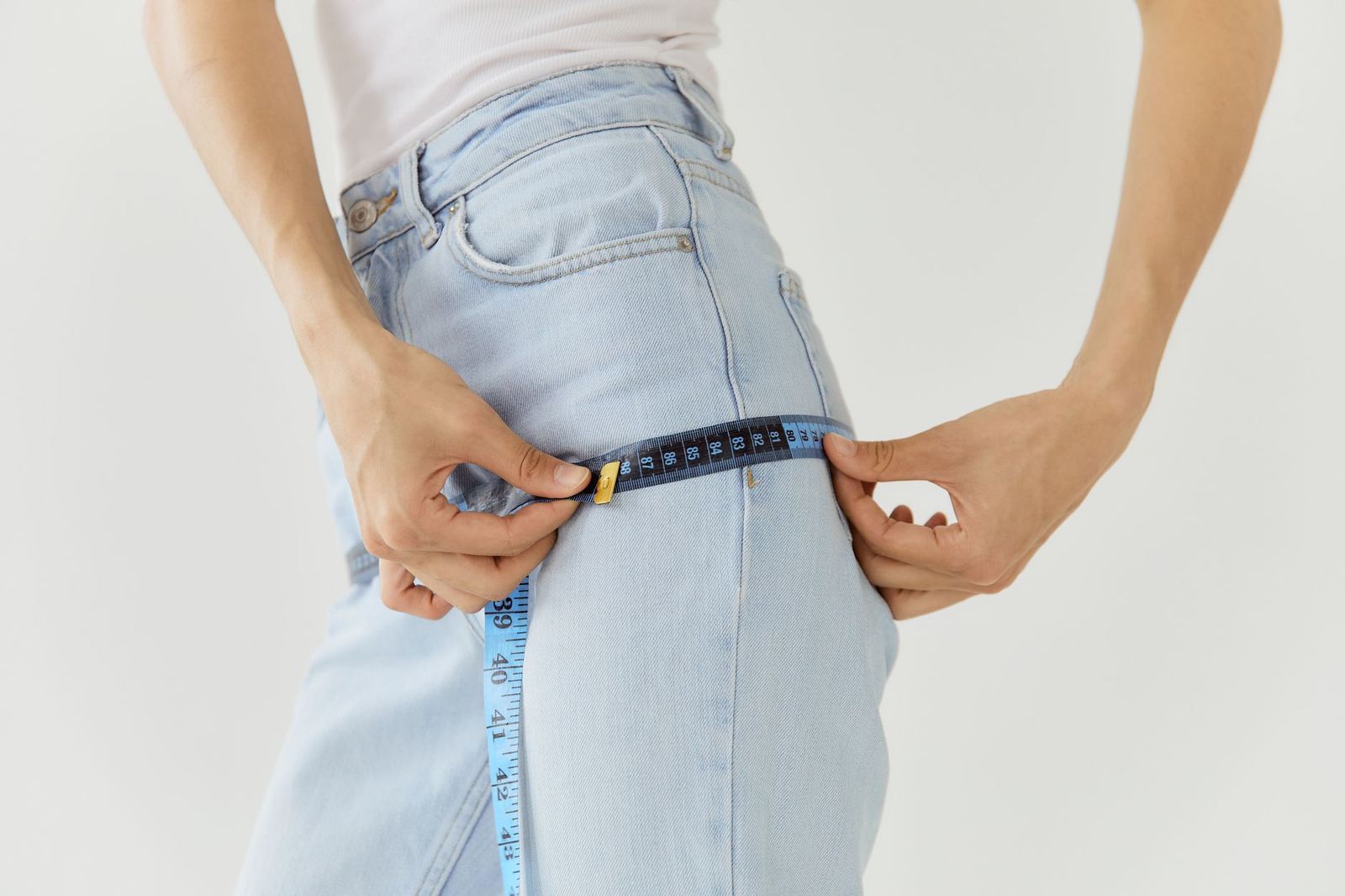
- Measure your inseam, sleeve length and torso. Stitch Fix says knowing your inseam, preferred sleeve length and distinguishing details is essential for finding a flawless fit.
- Get help if you need it. The same guide suggests passing a friend the measuring tape, or having a professional tailor take your measurements.
- Compare with the brand’s size chart. Look for the “P” label, which Stitch Fix says signals a smaller, proportioned fit.
- Try the problem pieces first. Trousers and long-sleeved tops are usually where petite sizing shows the biggest difference.
If a style you love does not come in petite, Stitch Fix advises buying to fit the most prominent part of your body when you plan alterations. As it puts it, it is easier to remove fabric than to add it.
Mixing petite and regular pieces
Your top half and bottom half do not have to share a size. Stitch Fix says a petite woman with a long torso or a full chest may prefer regular tops, and that petite tops with regular bottoms might be the right blend for long legs and a short torso.
It works in the other direction too. Short Story notes that at 5’5″ you are just above the standard petite cutoff, yet a shorter torso, arms or legs can still make petite tops or pants fit better.
For a closer side-by-side look, read this breakdown of petite vs regular sizes.
Petite is also not limited to everyday basics. Wikipedia says petite clothing may include tops, bottoms, dresses and outerwear, plus specialty items like activewear and swimwear. Swimwear has its own quirks, so these petite swimwear fit tips are worth a read before you order.
Where petite sizing came from
According to Wikipedia, petite sizing originated in the 1940s, when US designer Hannah Troy noticed that many women did not fit standard sizes. After studying measurements of women who had completed military service during World War II, she found that only 8% fit the proportions of standard sizing.
Stitch Fix tells the same story and says she discovered that over half of the women were short-waisted. The word itself comes from the French petit, which translates to small or short, per Wikipedia.
The takeaway for today is that petite sizing began as a fix for proportion, not just for height. That is why the best test of fit is how a garment sits on your own body.
Frequently asked questions
What height is petite?
Show answer
Petite sizes are designed for women 5’4″ and under, according to Stitch Fix. Height is only the starting point, because Wikipedia says the category also takes into account the proportions of the body. Brands publish their own ranges too, and Short Story describes petite clothing as serving heights from 4’6″ to 5’4″.
If you are close to the cutoff, treat the number as a guide rather than a rule. Use your own inseam, sleeve and torso measurements to decide which fit suits you.
Is 5’5″ petite?
Show answer
At 5’5″ you are just above the standard petite cutoff of 5’4″, according to Short Story. Even so, some women who are 5’5″ or taller still fit petite tops or pants better if they have a shorter torso, shorter arms or shorter legs. A practical test is to try the petite version of the piece that usually gives you trouble, such as trousers or a long-sleeved top, and compare it with your regular size.
Can I cuff jeans instead of buying petite?
Show answer
Cuffing is a simple way to reach the inseam you want without visiting a tailor, as Stitch Fix suggests. It only changes the length, though, while petite patterns also shorten the rise and reposition details such as knee distressing. If your jeans are far too long, note that Short Story says petite inseams run 3 to 4 inches shorter than regular sizing depending on the style, so a petite pair may be the easier fix.
Do petite sizes come in plus sizes?
Show answer
Some brands do. Wikipedia notes that some brands offer petite plus sizes for women who are both shorter in height and larger in body size. Ranges differ between brands, so check each size chart: Short Story, for example, lists petite sizes from 00P to 20P.
If you need both extra room and shorter proportions, compare the petite plus range with the regular plus range. The right choice depends on where you need the room and where you need the length taken out.
Are petite clothes just shorter versions of regular clothes?
Show answer
No. Short Story says petite clothing differs from regular sizing in proportion, not only length. Its sleeve lengths run 0.5 to 2.5 inches shorter than regular sizing, and details such as bust darts, knee distressing and elbow patches are repositioned for a petite frame. Stitch Fix adds that petite items have shorter sleeves, hemlines, inseams and rises.